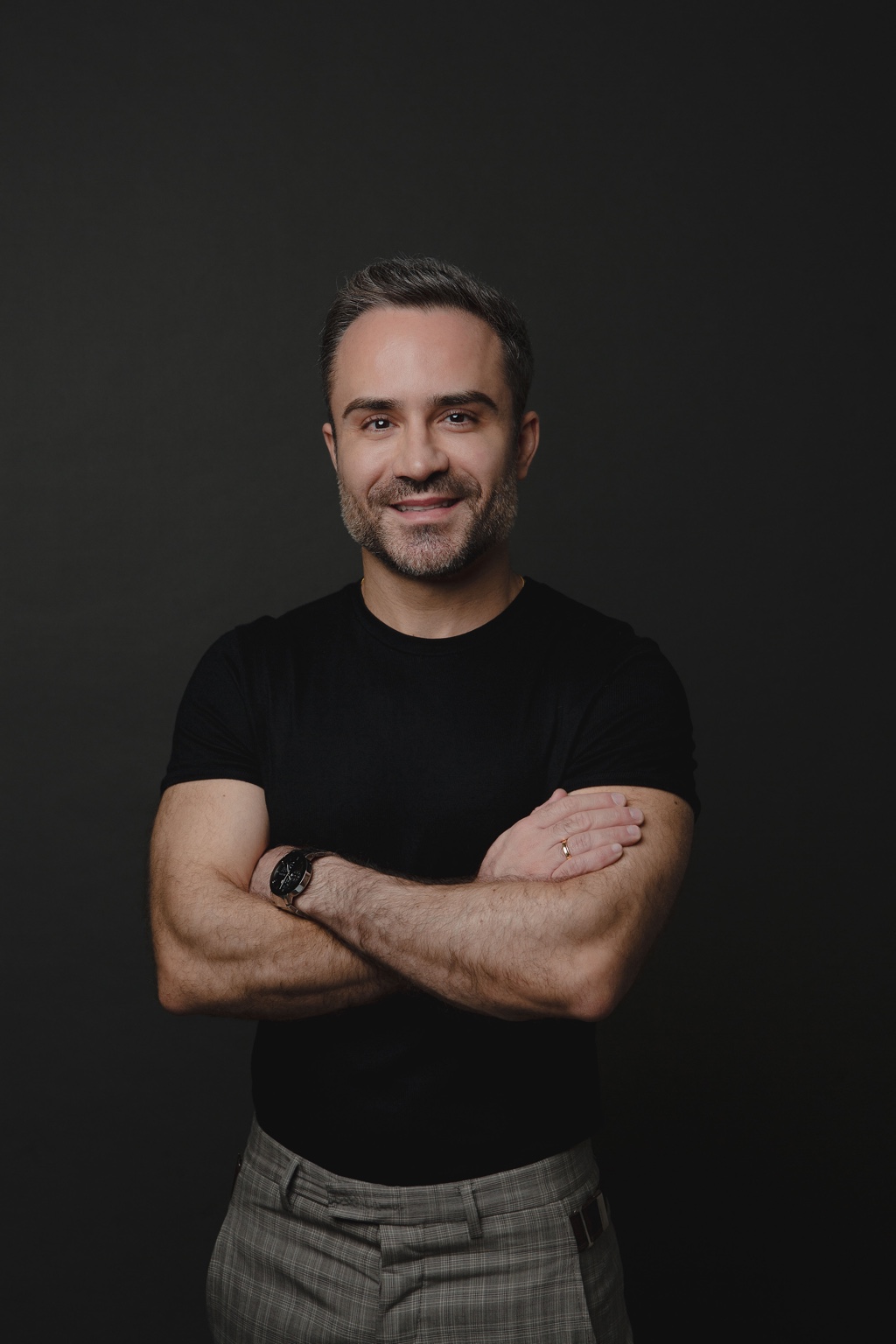
Dr. Gabriel de Camargos
Dermatologic surgery · Uberlândia and São Paulo

Precision in treatment.
Care in reconstruction.

Dermatologic surgery, Mohs micrographic surgery and cosmetic procedures with individualized planning, attention to safety and care in every detail.
CRM-MG 47.196RQE 26.361 · Dermatology
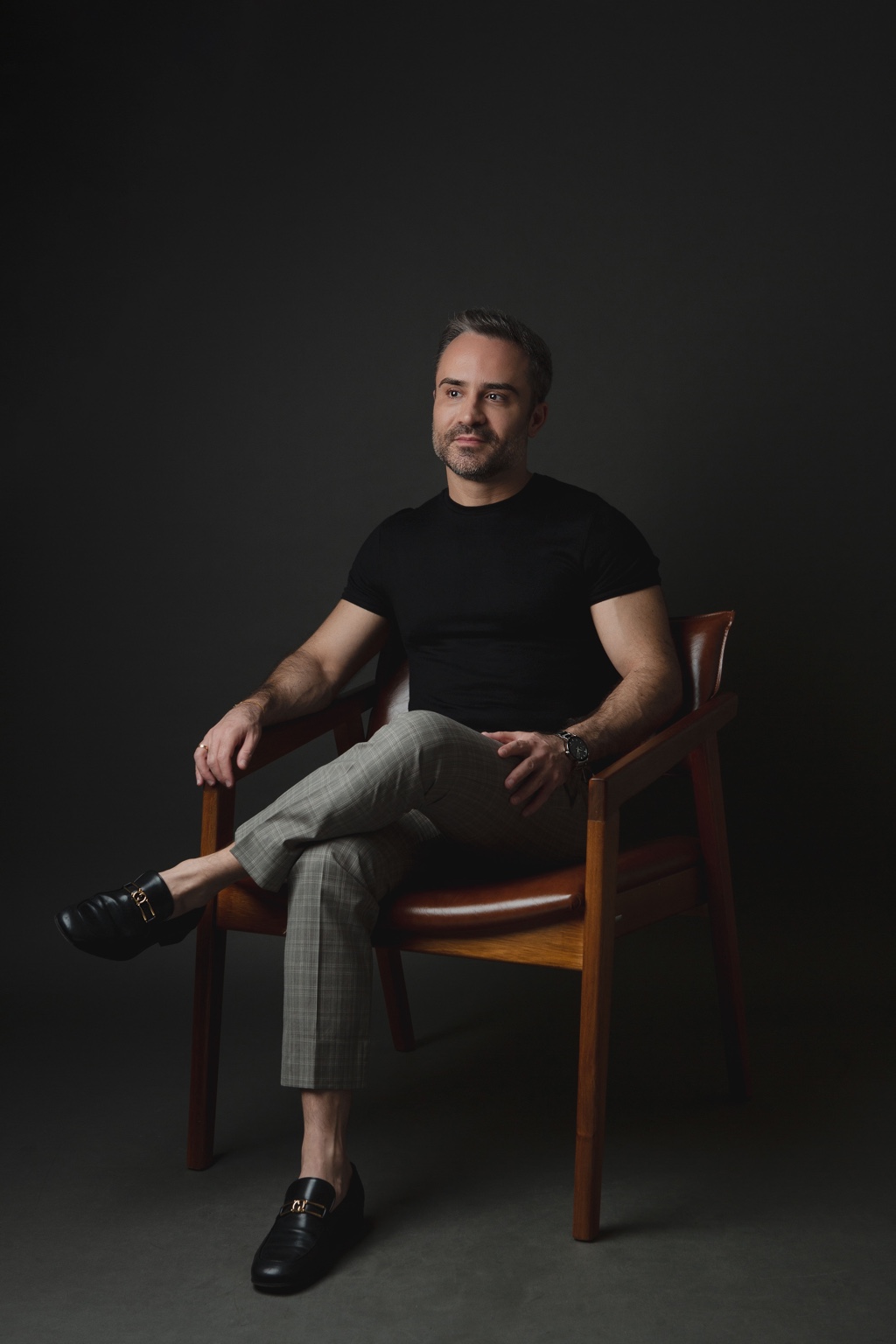
Professional portrait of Dr. Gabriel de Camargos
Medicine, technique and care

By your side at every stage of treatment

From the initial consultation to postoperative follow-up, care is guided by individualized planning, clear communication and attention to functional and cosmetic outcomes.

Specialty

Dermatology with a surgical perspective

From investigating a suspicious lesion to reconstruction after tumor removal, every decision considers disease control, preservation of healthy tissue and functional and cosmetic outcomes.

01

Individual assessment

Treatment indications based on the diagnosis, location, size and characteristics of the lesion.

02

Surgical planning

A strategy tailored to each case, with clear guidance at every stage.

03

Tissue preservation

Seeking the best possible disease control while respecting healthy structures.

04

Follow-up

Postoperative instructions and monitoring of recovery.

Featured treatments

Dermatologic surgery

Specialized care for the diagnosis, removal and reconstruction of skin lesions, with a focus on Mohs micrographic surgery.

C

Skin tumor surgery

Surgical treatment of benign and malignant lesions, determined after clinical assessment and, when indicated, histopathological analysis.

R

Skin reconstruction

Planning wound closure after lesion removal, taking into account anatomy, function, scarring and the appearance of the treated area.

Body and intimate aesthetics

Proportion, definition and a natural appearance

Procedures designed to enhance body anatomy, always based on individual medical indications and realistic, shared expectations.
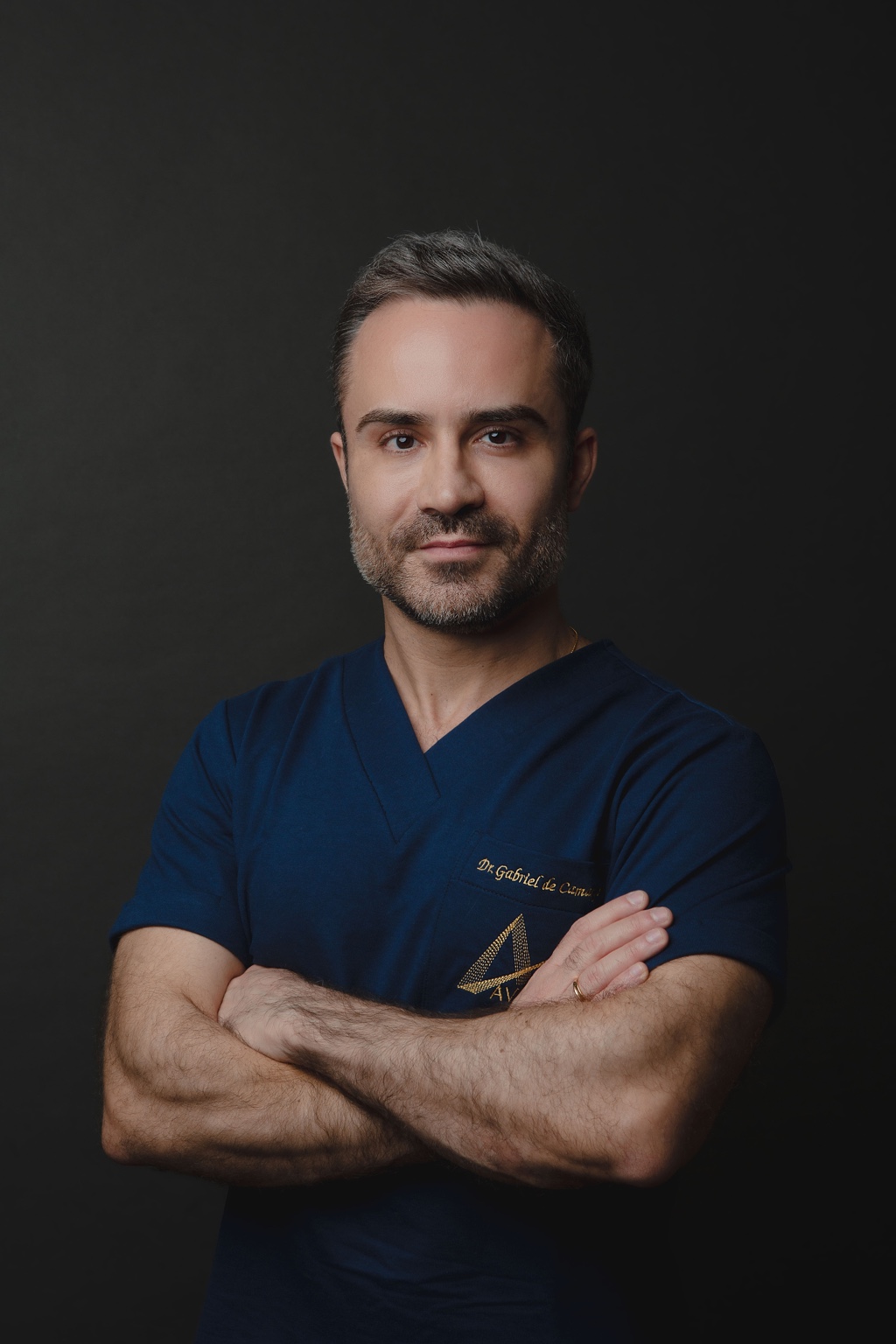
Dr. Gabriel de Camargos, dermatologist

Consultations in
Uberlândia · MG
and São Paulo · SP

About the doctor

Dr. Gabriel de Camargos

A dermatologist whose practice focuses on dermatologic surgery, skin tumor treatment and cosmetic body procedures. Care combines precise assessment, planning and clear communication throughout treatment.

SpecialtyDermatology
RegistrationCRM-MG 47.196 · RQE 26.361
LocationsUberlândia and São Paulo
Instagram@drgabrielcamargos
Dermatologic surgery

Mohs Micrographic Surgery

A technique in which the tumor is removed in stages and the margins are examined microscopically during the procedure. Further stages are performed only in areas where tumor remains, aiming to preserve as much healthy skin as possible.

An educational overview of the general steps. The technique is selected individually.

When it may be indicated

  • Carcinomas in areas of particular functional or cosmetic importance, such as the face, nose, eyelids, ears and lips.
  • Recurrent, poorly defined, aggressive or higher-risk tumors.
  • Situations where preserving healthy tissue is especially important.
  • Cases selected according to diagnosis, size, location and the patient’s health.

How it is performed

The removed tissue is mapped, processed and examined in stages. The removal and analysis cycle is repeated until the assessed margins are clear. The most appropriate method of wound reconstruction is then chosen.

Main objectives

Complete assessment of the examined margins, preservation of uninvolved tissue and reconstruction planning based on the anatomy of the area.

Recovery

Recovery varies with the size, location and reconstruction technique. Instructions on dressings, physical activity, medications and follow-up are individualized.

The indication for Mohs surgery depends on medical assessment and the pathology findings. Not every skin cancer requires this technique.

Dermatologic surgery

Skin tumor surgery

Assessment and surgical treatment of benign, premalignant or malignant skin lesions, with planning based on the diagnosis and the characteristics of each case.

An educational overview of the general steps. Management depends on the diagnosis.

What can be assessed

  • Lesions that have grown, changed, bleed or do not heal.
  • Moles and tumors with suspicious clinical features.
  • Cysts, lipomas and other benign lesions that cause symptoms or discomfort.
  • Skin cancers already confirmed by biopsy.

Possible steps

Skin examination, dermoscopy when indicated, partial biopsy or complete removal of the lesion, and submission of the tissue for histopathological analysis.

Planning

The choice between conventional surgery, Mohs or another approach considers tumor type, location, size, the margins required and the patient’s clinical condition.

Postoperative care

Includes dressing instructions, scar protection, removal of stitches when needed and follow-up of the pathology results.

Suspicious lesions must be examined in person. Appearance alone cannot confirm or rule out skin cancer.

Dermatologic surgery

Skin reconstruction

After a lesion is removed, reconstruction is planned to close the skin, preserve the function of the area and position the scar as appropriately as possible.

An educational overview of the general steps. The choice of technique depends on the surgical defect.

Techniques used

  • Direct closure.
  • Local skin flaps.
  • Skin grafts.
  • Healing by secondary intention in selected cases.

How the technique is chosen

The decision considers the size and depth of the defect, its location, skin mobility, nearby anatomical structures and the patient’s clinical condition.

Objectives

Achieve secure closure, preserve movement and natural contours, and promote functionally and cosmetically appropriate healing.

Follow-up

The scar changes over the course of several months. Follow-up provides guidance on care and allows additional measures to be considered when indicated.

The final technique may be chosen after complete lesion removal, when the true size and depth of the defect are known.

Body contouring

Shoulder fillers

An injectable procedure focused on shoulder contour, with projection and proportion planned according to individual anatomy.

An educational overview of the general steps. Product, volume and technique are individualized.

Possible objectives

  • Accentuate the transition between the shoulders and arms.
  • Improve symmetry and proportions.
  • Visually enhance body contour definition.

Planning

Body type, muscle structure, skin quality, asymmetries and required volume are assessed. The product, amount and number of sessions are determined individually.

Procedure

The procedure follows anatomical marking and skin preparation. The technique and injection planes depend on the chosen material and the agreed objective.

Recovery

Swelling, tenderness or bruising may occur. Physical activity and local care follow specific instructions after the procedure.

Every injectable procedure has risks and contraindications. An in-person assessment is necessary to determine suitability and safety.

Body contouring

Pectoral fillers

An injectable treatment to improve the shape, projection and proportion of the pectoral region, respecting anatomical limits and the desired outcome.

An educational overview of the general steps. Product, volume and technique are individualized.

Possible indications

  • Seeking greater definition of the pectoral contour.
  • Correction of minor asymmetries.
  • Complementing body contour results in selected patients.

Assessment

Assessment includes chest anatomy, muscle volume, tissue thickness, symmetry and expectations. The procedure does not replace muscle development or surgery when these are more appropriate.

Outcome

The aim is to build contour and projection gradually and proportionately. Amounts and stages vary with the case and the product used.

Aftercare

Instructions on compression, massage, exercise and return to activities are provided according to the technique used.

Suitability, product and volume can only be determined after an in-person examination.

Body contouring

Buttock fillers

An injectable procedure planned to address contour, projection, transitions and asymmetries of the buttocks, within each patient’s anatomical characteristics.

An educational overview of the general steps. Product, volume and technique are individualized.

Possible objectives

  • Improve contour and proportion.
  • Soften selected depressions and asymmetries.
  • Build volume gradually with a planned approach.

Planning

Assessment considers body structure, fat distribution, muscle, skin quality and expectations. A combination of treatments may be indicated.

Sessions

The number of sessions and the volume are individualized. Tissue response and safety determine the pace of treatment.

Recovery

Swelling, tenderness and bruising may occur. Exercise, local pressure and return to normal activities follow specific medical instructions.

Injectable body procedures require careful assessment of the product, technique, contraindications and risks.

Male intimate aesthetics

Male intimate fillers

An individually planned injectable procedure to address proportion, contour and balance in the male genital area. An in-person assessment is essential to determine suitability, technique and safe limits.

An educational overview of the general steps. Product, volume and technique are individualized.

Penile fillers

Primarily aimed at increasing circumference and improving the contour of the penile shaft. Product, amount, distribution and any need for additional sessions are determined according to each patient’s anatomy and goals.

Glans fillers

May be considered to address contour, proportion or minor asymmetries of the glans in selected patients. The indication is independent of shaft fillers and requires a specific assessment of the area.

How it is planned

The consultation includes anatomical assessment, shaft-to-glans proportions, tissue quality, previous procedures, clinical conditions and discussion of expectations. Not every patient is a suitable candidate.

Recovery and follow-up

Swelling, tenderness, bruising and temporary irregularities may occur. Hygiene, physical and sexual activity, local handling and follow-up appointments are individually guided according to the technique used.

The procedure is not intended to treat erectile dysfunction and does not guarantee any change in sexual performance. Outcomes, duration, risks and contraindications vary and must be discussed in person.

Facial aesthetics

Facial procedures

An individualized plan that may include botulinum toxin, fillers and collagen biostimulators, according to facial needs and the goals agreed during consultation.

An educational overview of the general steps. The plan is defined after medical assessment.

Botulinum toxin

Used to modulate the action of specific muscles and soften dynamic wrinkles. Injection points and doses are determined according to anatomy and facial expression.

Fillers

May be indicated to restore volume, improve proportions or treat specific areas. The product and injection plan vary according to the objective.

Collagen biostimulators

Treatments designed to stimulate collagen production, with gradual results and indications based on skin quality and the degree of laxity.

Treatment plan

Not all procedures need to be performed. The plan prioritizes appropriate indications, a natural appearance, safety and monitoring of progress.

Outcomes, duration, contraindications and risks vary by procedure and must be discussed during medical assessment.

Dr. Gabriel de Camargos

Conversations about skin
and procedures.

Videos from the practice and answers to questions about dermatologic surgery and cosmetic treatments.

Videos are displayed by Instagram in their original language. If a video does not load, use “Open on Instagram”.

Appointments

Your treatment begins with a careful assessment.

Contact the team for information about appointments, locations and preparation for your procedure.

Chat on WhatsApp